

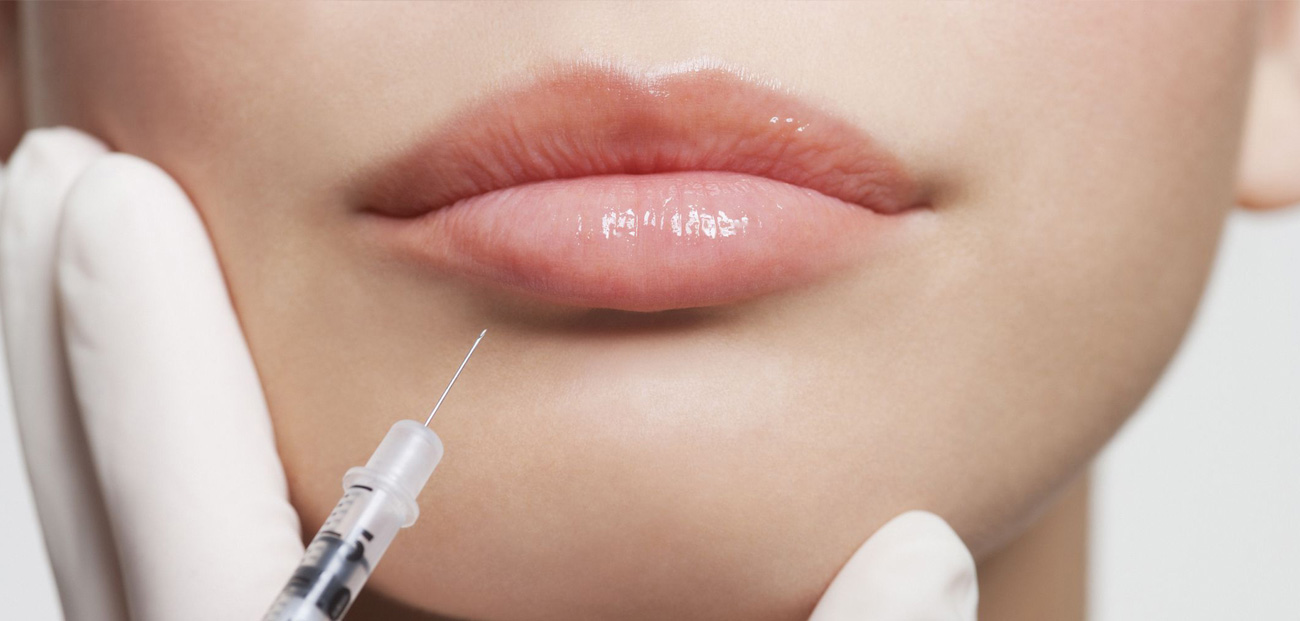
As our national Covid-19 vaccination campaign rolls out to the general public over the next few months, you may be aware that there was a bit of international media fuss earlier this year, in relation to dermal fillers & the vaccine. Many of you may have questions and concerns about its safety, which is understandable for any new medication/drug. Here’s a brief overview together with our clinic guidelines for when to time your cosmetic procedures around your vaccination schedule.
Maskne is a term coined during the coronavirus disease 2019 (COVID-19) pandemic, for acne that develops from the prolonged use of masks. Derived from the words ‘mask ‘ and ‘acne’, the medical term for Maskne is Acne Mechanica, a skin condition brought about by heat, pressure, friction or rubbing of the skin. It’s mechanically blocking your skin.
The media hype started as it was reported that in a trial of almost 15184 patients with the Moderna Vaccine, 3 patients reported facial swelling a few days after the vaccine and they had had prior facial fillers (<0,02%). In all 3 cases, the swelling resolved with some oral antihistamine or steroid tablets with no further issues.
This prompted a bit of frenzy but what’s been reported in the media about the facial swelling after Covid vaccine isn’t a new phenomenon at all! The aesthetics industry was expecting the potential for this type of reaction. We’ve always known that when the body fights any infection, fillers may very rarely feel swollen and tender. This is short-lived swelling is known as a Delayed Inflammatory Reaction (DIR), which can occur weeks, months or even years after placement of the filler, when the immune system is challenged.
Other potential triggers include
- influenza
- sinusitis
- urinary tract infections
- dental infections or procedures
- repeat filler treatments
- excessive UV exposure
- any vaccination
A vaccination mimics an infection to create immunity and hence can trigger the same response. It is important to note that it’s NOT the filler causing the problem but rather a result of the body responding to the vaccine and NOT the vaccine “infecting” the filler.
A recent global survey has shown that the currently available Covid-19 vaccines DO NOT have any greater a risk of a soft tissue reaction than the other triggers in the list above.
In most cases the swelling subsides spontaneously as you recover and no further treatment is needed. However extremely rarely does it require antihistamines, steroids , antibiotics or having the filler broken down. We are a referral centre for filler complications and therefore are well equipped to deal with this particular complication.
It is important to note that an acute infection with Covid-19 can also profoundly stimulate the immune system and create a DIR if you’ve previously had a filler treatment. Current data suggests that these reactions are more protracted and may be more difficult to resolve than those following vaccination.
There is currently no evidence that the Covid vaccination has any effect on any other cosmetic procedures.
However the Tetanus vaccine can potentially reduce the effect of wrinkle relaxers (botulinum toxin) because of the slight similarity in structure between part of the tetanus toxin and part of the botulinum toxin. Tetanus boosters in adults are recommended at 45 years and 65 years of age or following injury where the wound is at high risk of being infected with tetanus or if it has been more than 5 years since the last booster. A booster vaccine increases the circulating antibodies to tetanus in the first few hours after the injection, and these antibodies may recognise freshly injected wrinkle relaxer( botulinum toxin) and reducing its effect and therefore it may not work as well. None of us really wants this to happen, so its best to delay your wrinkle relaxers for at least a week after your tetanus booster.
Our recommendation is that you:
- Get the Covid Vaccine as soon as you are eligible
- Do not delay having your Covid Vaccine because of your injectable treatment.
- Avoid having dermal filler injected 2 weeks before and 3 weeks after any immunisation.
- Contact your treatment provider ASAP if you develop any swelling post vaccination
- Avoid any cosmetic treatments for 1 week after you have the vaccine, as some patients may develop flu-like symptoms following immunisation.
- Delay your cosmetic treatment appointment if you have any symptoms of infection including a fever, runny nose, cough
References:
1. UK ACE Group guidelines on SARS-CoV2: https://uk.acegroup.online/wp-content/uploads/sites/9/2021/03/ACE-Group-Guidelines-SARS-CoV-2.pdf
2. Gotkin, R.H et al (April 2021). Global Recommendations on COVID-19 Vaccines and Soft Tissue Filler Reactions: J Drugs Dermatol, 20(4): doi:10.36849/JDD.2021.6041
3. American Society for Dermatologic Surgery Guidance Regarding SARS-CoV-2 mRNA Vaccine Side Effects in Dermal Filler Patients: www.asds.net/Portals/0/PDF/secure/ASDS-SARS-CoV-2-Vaccine-Guidance.pdf.
4. Facial Plastic Surgery & Aesthetic Surgery :Coronavirus Vaccine Considerations for the Aesthetic Patient Mar 2021doi.org/10.1089/fpsam.2020.0638